The Searchind Newsletter is written by Simone Parodi, an international SEO consultant for eCommerce. He helps many eCommerce businesses achieve qualified organic traffic and increase their revenue.
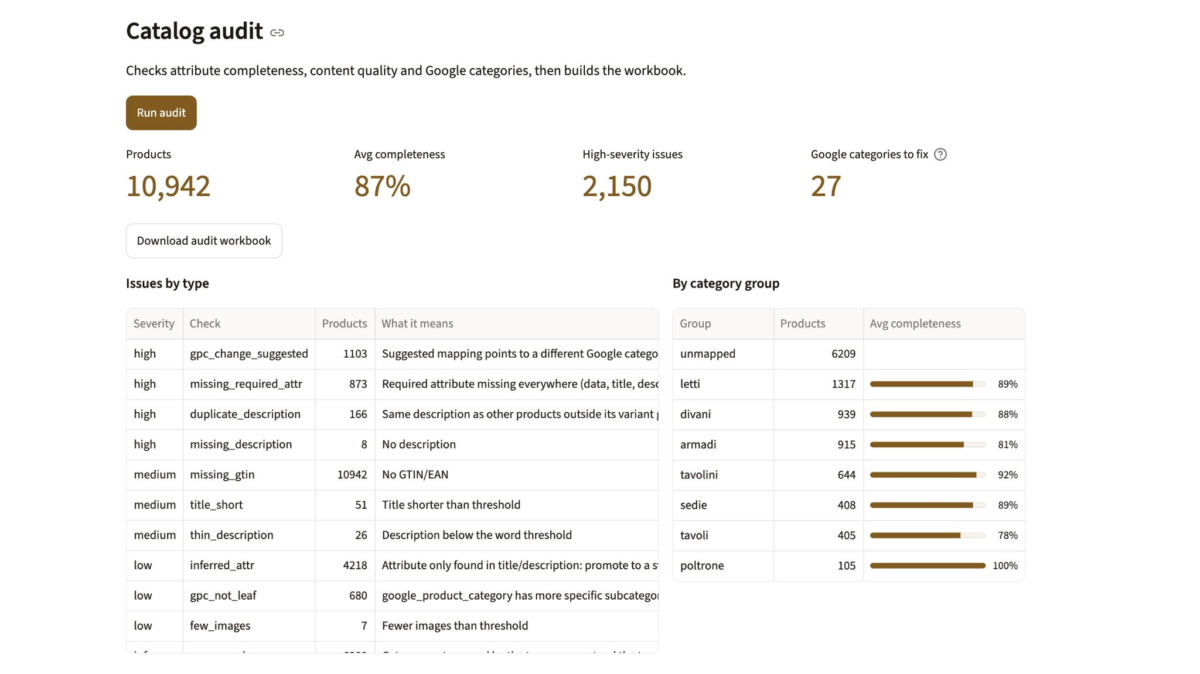
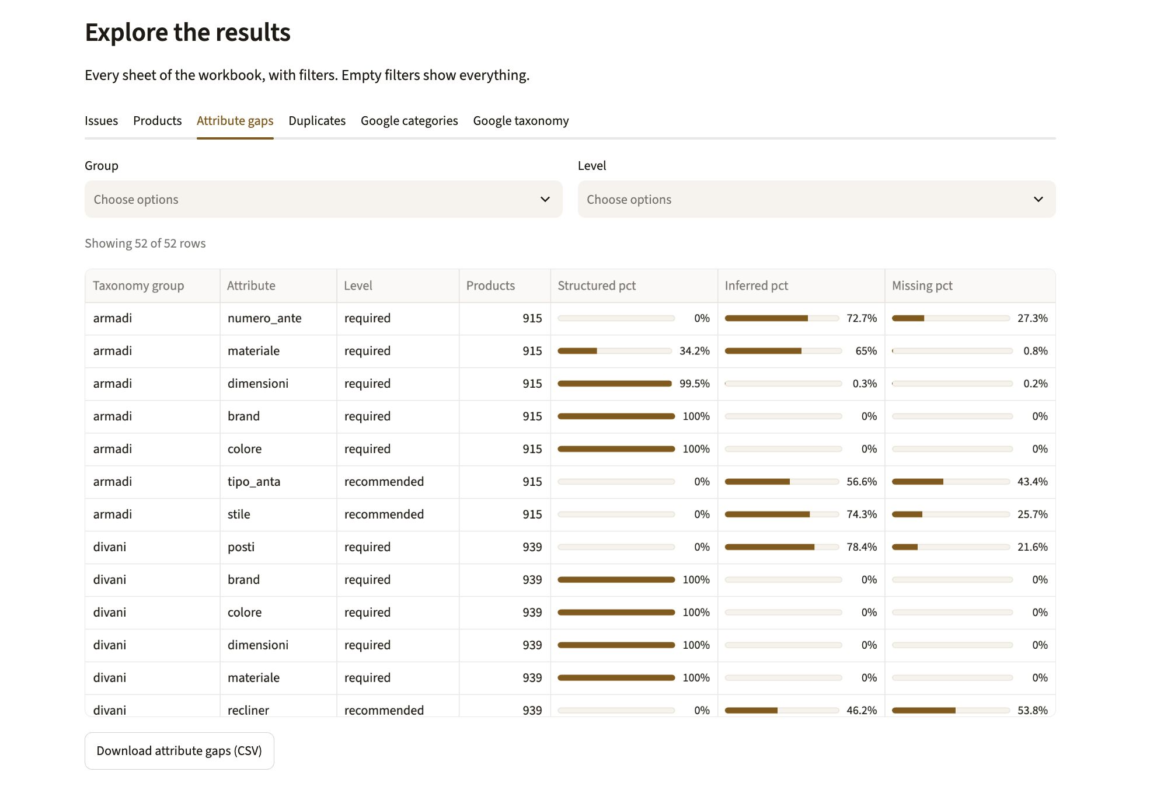
🛠️ My ecommerce catalog audit tool is ready
|

Searchind - Ecommerce SEO + Strategy
The Searchind Newsletter is written by Simone Parodi, an international SEO consultant for eCommerce. He helps many eCommerce businesses achieve qualified organic traffic and increase their revenue.
October 2026 📈 Shopify SEO: +41% clicks to collection pages in 90 days Here's what we changed. Simone @ Searchind in 🔎 Focus: Shopify Collections SEO🟤 Impact: High🟠 Difficulty: Mid When we started, the list of SEO issues was longer than anything we could fix in a quarter, so we picked the layer closest to revenue: collections, where people land when they already know what they want to buy. Here's what changed on /collections/ pages only, last 3 months vs the 3 before: Clicks +41% 3.46K →...
October 10, 2026 🟤 Make AI search trust your store Isn't your store showing up in AI search? Start with this checklist. Simone @ Searchind in 🔎 Focus: AI Search & E-E-A-T🟤 Impact: High🟠 Difficulty: Mid A shopper who finds your store through AI Overviews or AI Mode has probably never heard of you, so before buying, they check one thing: Are you worth the risk? Google's quality guidelines ask the same question, and a lot of the answer sits on pages stores treat as an afterthought, like About,...
Google’s EEA Search Changes are reshaping Product Visibility Simone Parodi Organic Growth and SEO for DTC & Ecommerce Google just pulled the rug out from under organic Shopping in Europe. If you sell products online and any share of your traffic comes from Google in the EU, check your Search Console/Google Merchant Center data this week. The organic product carousels that used to show up for commercial queries are gone across most of the EEA, replaced by something that looks nothing like the...