The Searchind Newsletter is written by Simone Parodi, an international SEO consultant for eCommerce. He helps many eCommerce businesses achieve qualified organic traffic and increase their revenue.
eCommerce SEO for Google Is Not Enough
|
From my perspective, AI is not a real problem. For many years in SEO, the same rules have remained valid:
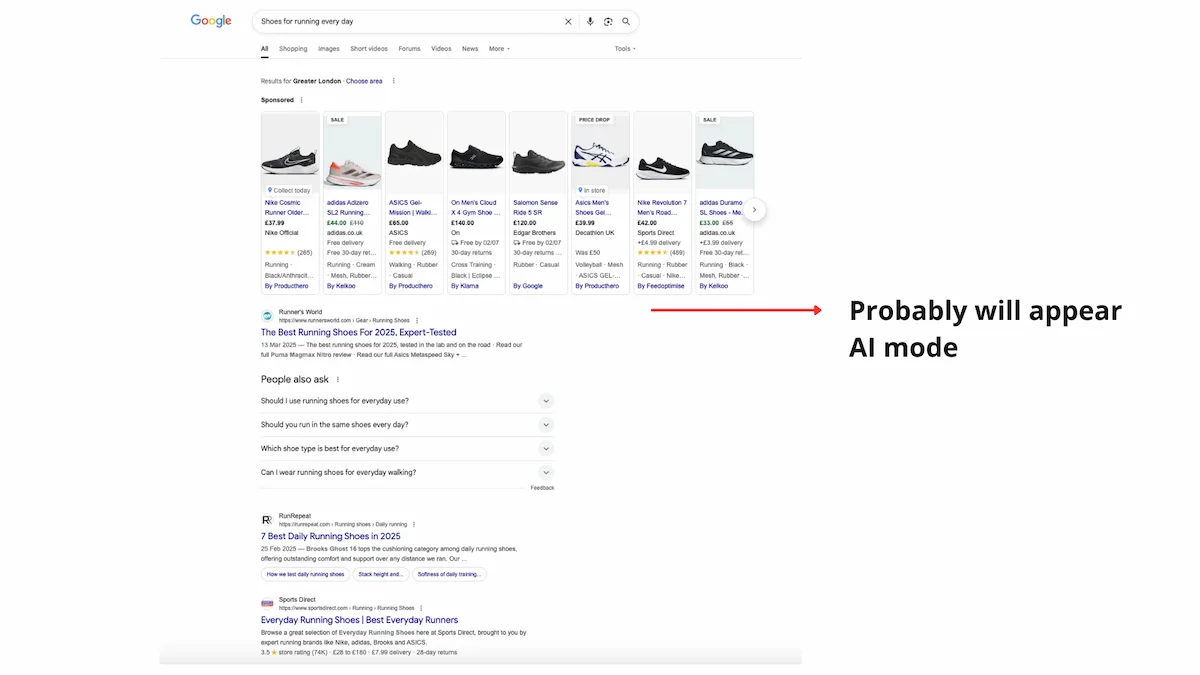
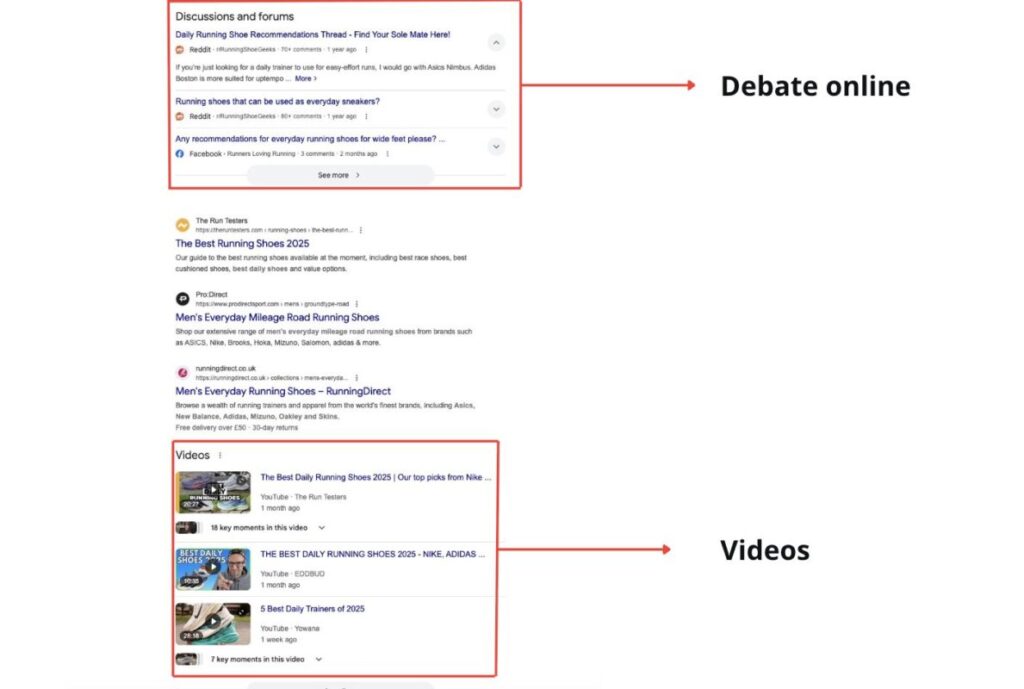
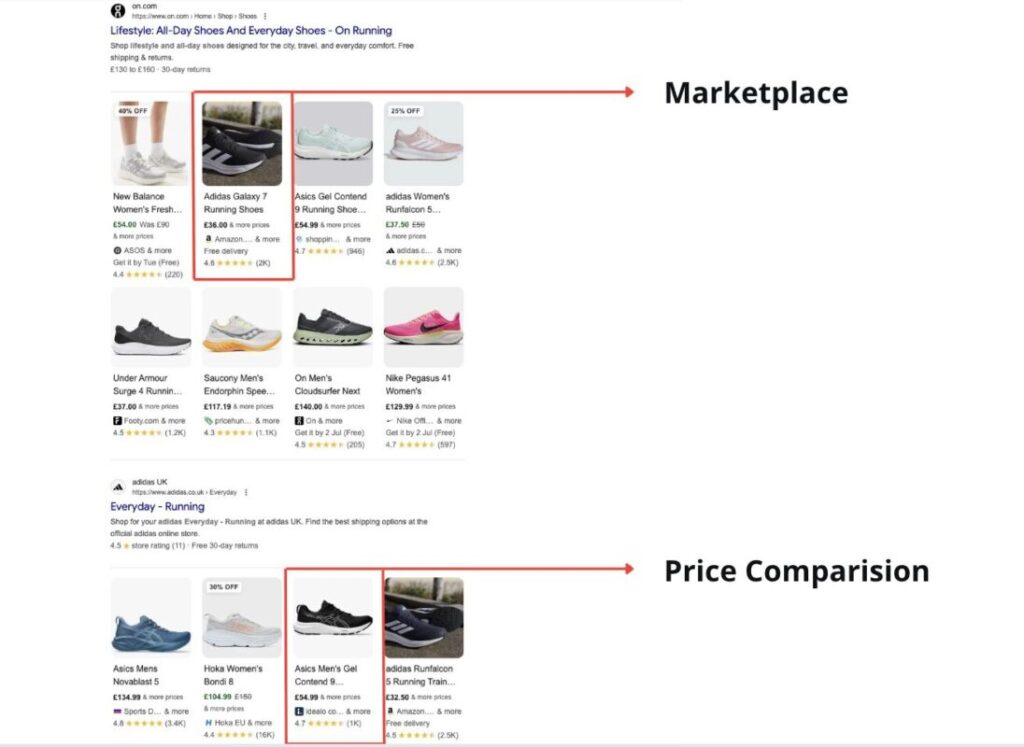
To achieve these things, you do link building, PR, and more. Many SEOs regret this because they live in their cave. And they think things exist only in black or white. But both white and black exist. Now, it is important to understand what moves the needle. The SEO specialist is dead; now you have a different role, like Search Marketer or whatever you want to call it. The concept is to understand and create a strategy for search. Searches happen on social media, forums, marketplaces, price comparators, Google, AI, etc. It is necessary to take different placements in the SERPIf before you only needed to publish SEO articles and optimize categories, now that isn't enough. If you search "shoes for running every day," you see different things. On Google, you can appear in different zones. This SERP is rich because you can appear in videos, online debates, or in the marketplace.
Here, you need to have a good understanding of the entire search landscape. Because if you have a long-term plan, you'll probably build a solid strategy that will cover the marketplace, content, or videos. ExampleYou have an e-commerce site that sells running shoes. You have different options:
The importance here is to have a good eye to identify what works and what doesn't. Because your business is at a different stage of growth. Don't be present on every single platform, channel, etc. Try to obtain results on one and then add new channels, platforms, etc. Interesting example in AI modeI searched for (Brand) + clothing in Google Shopping and in ChatGPT. In many cases, ChatGPT showed me the same carousel of products as in Google Shopping. This appears in many of my searches. So, if the view is the same, what changes here for people? It's subjective. Because each person thinks differently. You continue to work WELL in SEO on:
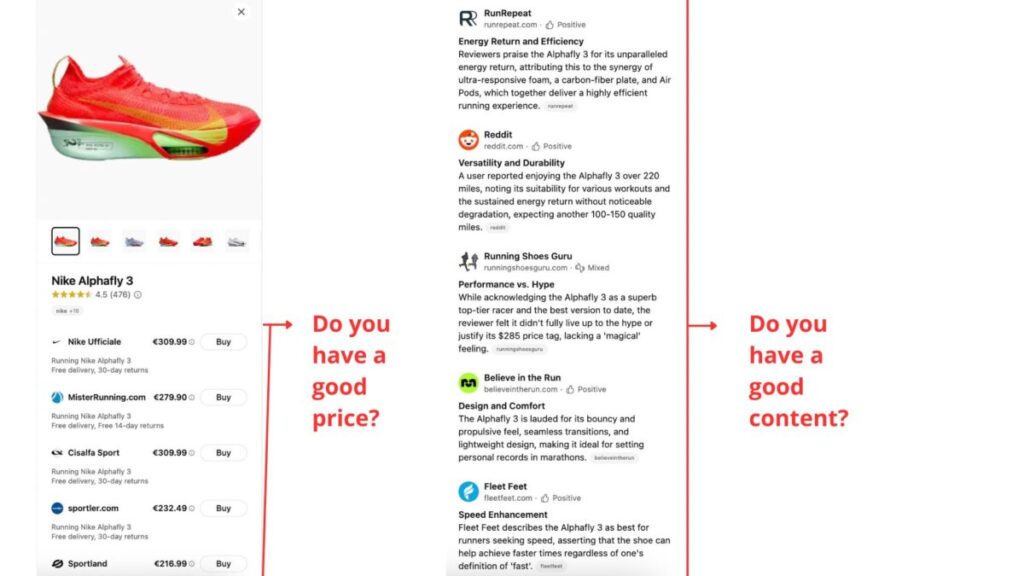
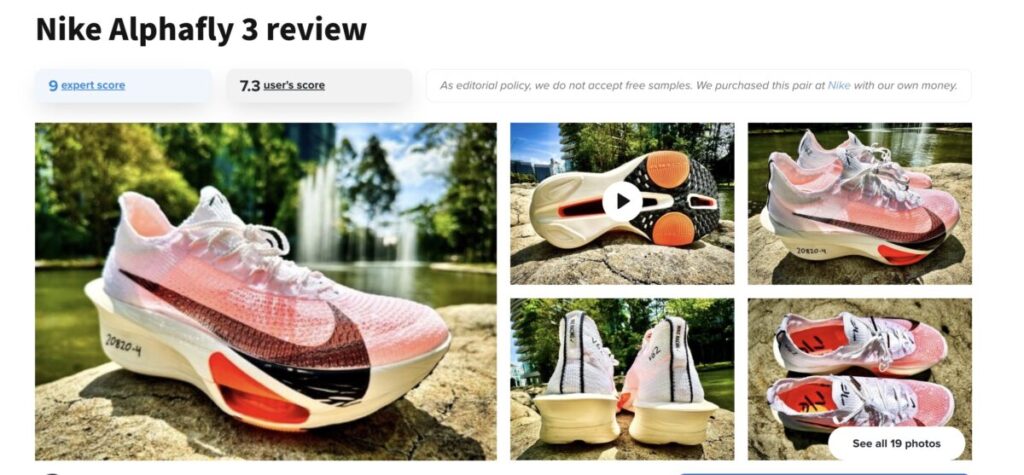
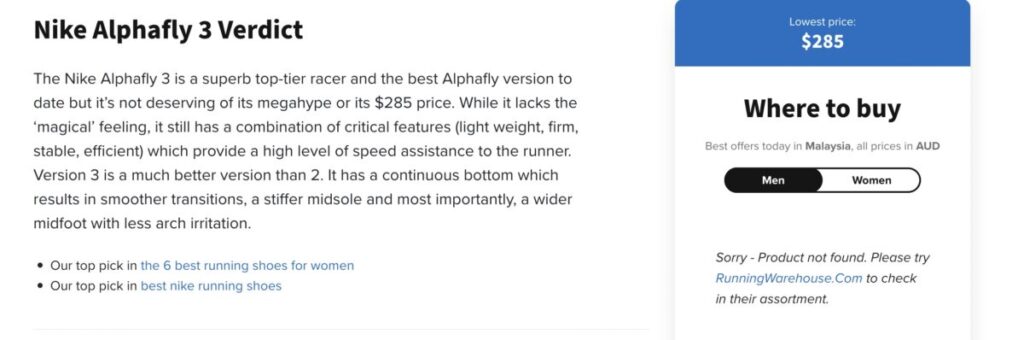
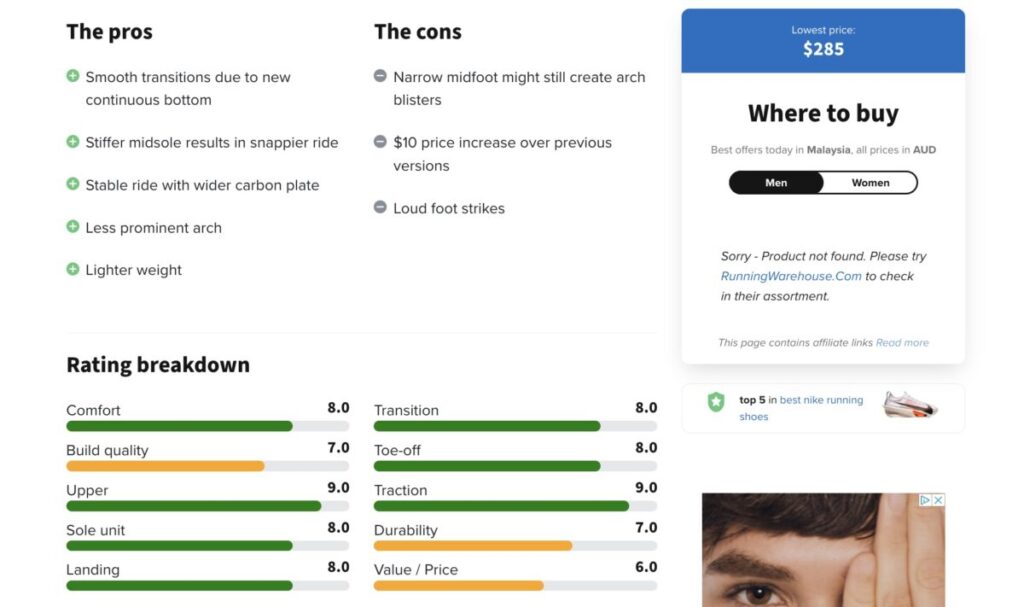
Don't try the easy method to rank fast; you'll gain short-term and controversial results. Build valuable contentIt is very important to pay attention. In fashion/luxury, for example, it is often not a good idea to create a blog for many brand-related reasons. But it is useful to enhance our product pages with more information like FAQs, additional content with photos, etc. Because people are interested in the brand, they will probably seek information in forums, and it will be better if you appear there. For example: I navigated in ChatGPT... I wrote: "I want to buy Nike shoes for running every day." Then, ChatGPT wrote descriptions and linked to a few products.
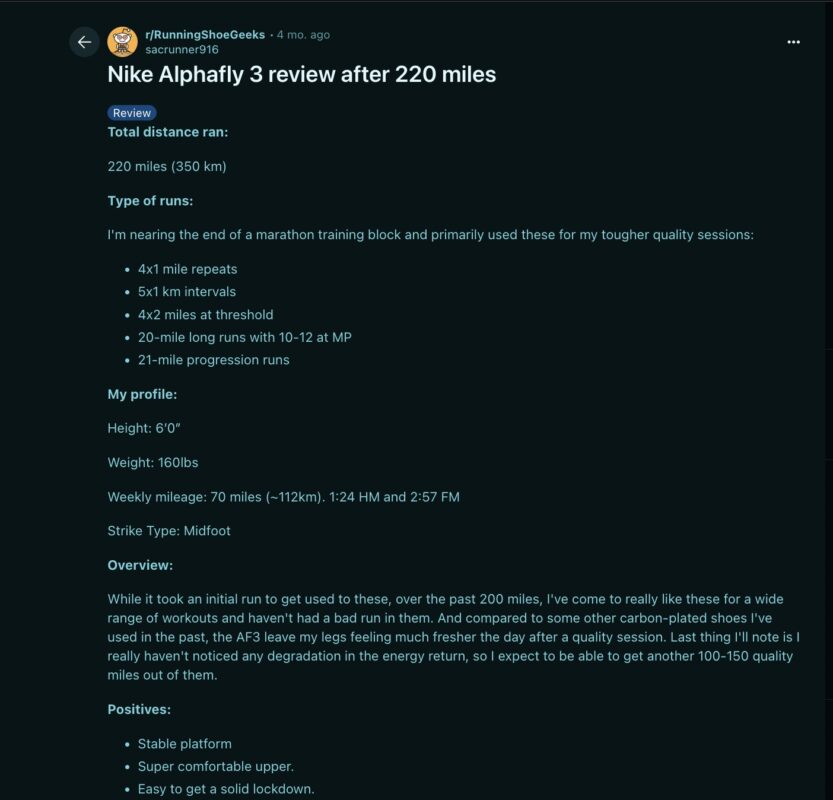
There is much good content around this product. But many e-commerce sites don't have product content. If you look at Reddit, reviews have many interactions because they are detailed and useful. Also, many sites like Running Shoes Guru have good content, but they are affiliates. So, what do you do?
So, optimizing SEO for your products isn't enough. Many SEOs who operate in e-commerce talk only about:
Yes, these are important. But products also need a content strategy. If you have this content knowledge, you can achieve better results. So, create a solid strategy for product content. So, how appear?Many SEOs create unnecessary paranoia. You should always work well in these aspects:
So, SEO has changed, yes, because now you are a Search Marketer. You don't optimize only for Google but also know how to create an entire search strategy. I mean:
Create filters for long-tail keywordsIn many sectors, to compete better with giants and obtain results, you need to rank long-tail keywords through filters. It's a technique that's still valid. Many e-commerce sites use noindex and block filters via robots.txt, but in my experience, in many cases, they are a goldmine. And this is also good for the AI landscape. If you have different, specific indexed pages, you'll probably have a good chance of appearing there. Example of MarketplaceWhen I worked at NowArc, I didn't think only about SEO optimization or AI, etc. We saw a good opportunity to receive leads from Pinterest, and we worked with this social platform. Here, a logical structure is created to help people and the Pinterest bot understand our structure. It was a goldmine. Also, if you think about the entire search landscape and not only SEO. Many competitors don't exploit Pinterest, and we positioned ourselves as number one. This was an easy win with a very low budget. We achieved a good conversion rate from Pinterest to our Marketplace.
Do you need SEO support for your eCommerce?Book a 1:1 meeting call below |

Searchind - SEO For eCommerce + Strategy
The Searchind Newsletter is written by Simone Parodi, an international SEO consultant for eCommerce. He helps many eCommerce businesses achieve qualified organic traffic and increase their revenue.
Searchind June 15th Management of expired products in eCommerce ↓ My framework for managing expired products (below, you can find the link for access) One of the most destructive mistakes I see in ecommerce audits is treating all expired product situations identically. You know what I mean: a product sells out stock hits zero and the system automatically fires a 404 or deindexes the page. Simple. Effective. Completely wrong, and it costs you money. The real issue is that not all...
Searchind 8 Decembre 2025 The Complete D2C Ecommerce SEO Guide: Strategies for Sustainable Growth ↓ Direct-to-consumer (D2C or DTC) brands face unique challenges in the digital ecommerce. Unlike traditional retailers who compete primarily on product selection and price, D2C brands must build their entire identity from scratch while navigating an increasingly crowded online landscape. D2C brands need to be present on organic; it's the foundation of sustainable, scalable growth. This guide...
Searchind 1 Dec 2025 Why Your Store Needs a Dedicated Discount Code Page ↓ Are you leaving thousands of potential customers on the table? There's a goldmine of search traffic that's being completely overlooked: discount code searches. Here's what the data reveals: Brand-specific discount code keywords are generating massive search volumes: "eBay discount code" - 12,000 monthly searches "Halfords discount code" - 11,000 monthly searches "Cake Box discount code" - 5,300 monthly searches … And...